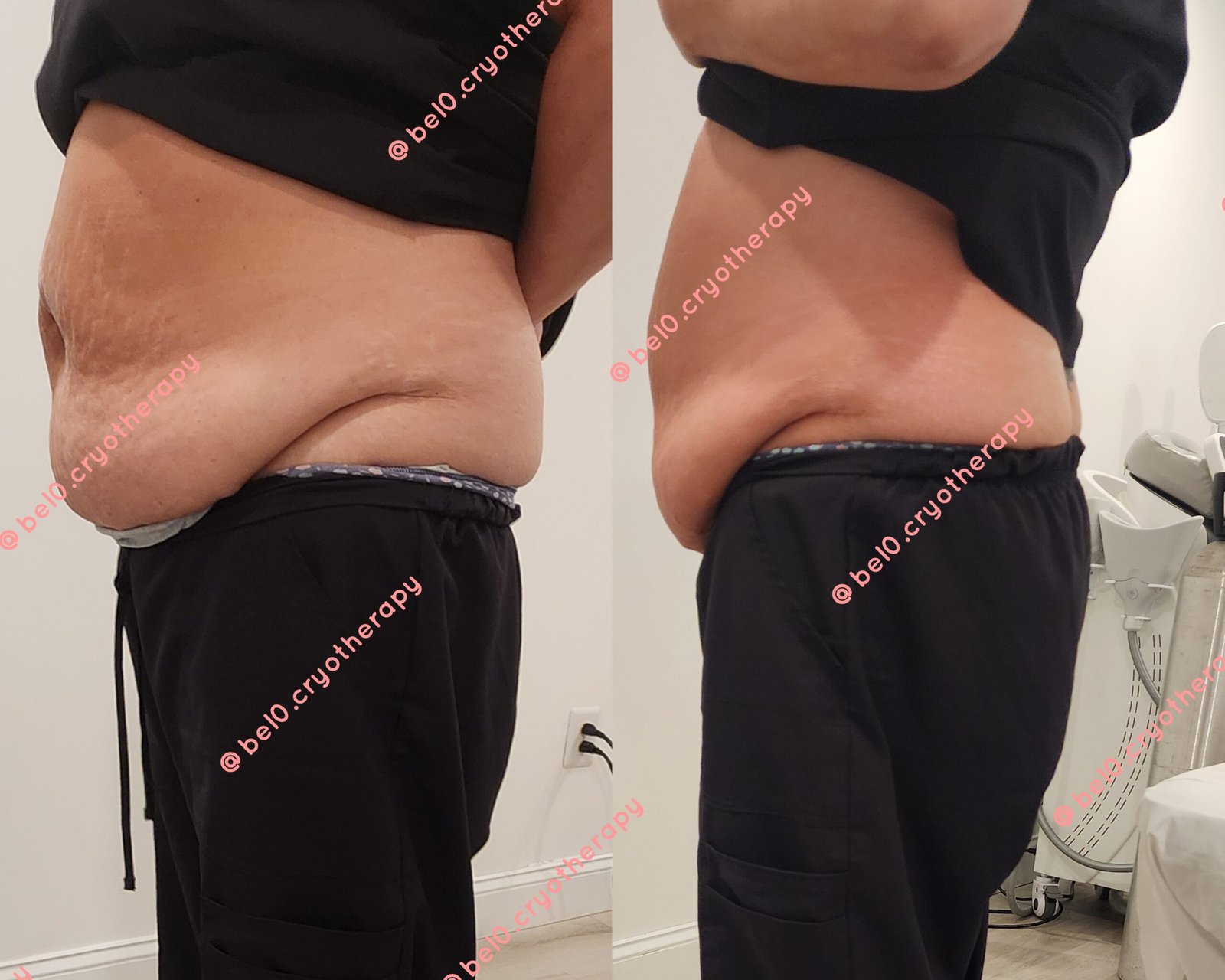
The Science Behind Body Contouring
Body contouring has become increasingly popular among people who want to improve the appearance of specific areas without undergoing surgery. Although the term is often used broadly, body contouring is not one single treatment. It includes several technologies designed to influence localized fat, skin appearance, circumference, or muscle definition through different biological mechanisms.
Non-invasive body contouring should also be distinguished from traditional weight loss. Losing weight generally reduces the size of fat cells throughout the body. Body contouring is more targeted and is commonly used to address specific areas where subcutaneous fat may remain despite exercise and healthier eating habits.
Common treatment areas include the stomach, flanks, arms, thighs, back, waistline, and bra line area. These treatments are not intended to replace nutrition, exercise, or medical weight-management care. Instead, they may provide additional support for people who are close to their goals but remain concerned about localized areas.
Understanding the science behind body contouring can help clients ask better questions, develop realistic expectations, and recognize why results vary between people. It can also help clients understand that different body-contouring technologies do not all work in the same way.
What Does Body Contouring Actually Mean?
Body contouring refers to treatments intended to change the visible shape or appearance of a targeted body area. Surgical body contouring may include procedures such as liposuction, tummy tucks, or excess-skin removal. Non-invasive body contouring uses externally applied energy, temperature, light, or mechanical stimulation without surgical incisions.
Researchers have studied several non-invasive methods, including cryolipolysis, radiofrequency, focused ultrasound, low-level laser therapy, and electromagnetic energy. Each technology interacts with tissue differently. This means that the expected experience, biological response, treatment schedule, risks, and results are not necessarily the same.
A review of non-invasive body-contouring devices explains that these technologies may be used for localized fat reduction, skin tightening, and muscle definition. However, the research also notes that the field includes many different devices and protocols. Clients should not assume that every treatment marketed as body contouring works through the same mechanism or creates the same outcome.
You can review that research here:
https://pubmed.ncbi.nlm.nih.gov/31168833/
Body Contouring Compared With Weight Loss
Body weight is influenced by nutrition, physical activity, metabolism, muscle mass, water retention, medications, hormones, sleep, stress, and underlying health conditions. A person can experience changes in body weight without seeing equal changes in every area.
Body contouring is generally intended for localized concerns rather than major weight loss. A client may be satisfied with their overall weight but remain concerned about the lower stomach, waistline, flanks, upper arms, back, or thighs.
This distinction is important because someone may experience a change in the measurement or appearance of a treated area without seeing a meaningful change on the scale. In contrast, another person may lose weight through diet and exercise but still retain a genetically influenced fat pocket in a particular location.
Subcutaneous Fat Versus Visceral Fat
Subcutaneous fat lies beneath the skin and is the type of fat targeted by most non-invasive body-contouring treatments. It is the soft tissue that can often be pinched around the stomach, flanks, arms, thighs, or back.
Visceral fat is located deeper within the abdomen and surrounds internal organs. Non-invasive cosmetic body-contouring treatments are not designed to eliminate visceral fat. Reducing visceral fat generally requires lifestyle changes and, when appropriate, medical guidance.
Understanding this difference can prevent unrealistic expectations. A treatment may change the measurement or appearance of a superficial area without addressing deeper abdominal fat, obesity, or overall metabolic health.
The Biology of Fat Cells
Fat cells, known as adipocytes, store energy primarily in the form of triglycerides. When the body takes in more energy than it uses, adipocytes can expand. When energy intake decreases or activity increases, stored energy may be released and fat cells can become smaller.
Traditional weight loss usually changes the size of fat cells throughout the body rather than selectively choosing one small area. This is why exercises that strengthen the abdomen do not necessarily cause fat to disappear specifically from the stomach.
Body-contouring technologies attempt to create a localized tissue response. Depending on the technology, that response may involve cooling, heat, acoustic energy, light, mechanical stimulation, or electromagnetic energy.
The intended biological effect can also vary. Some systems are designed to affect fat cells. Others focus more on skin tightening, collagen remodeling, muscle stimulation, temporary circumference changes, or a combination of goals.
Why Some Fat Deposits Feel More Stubborn
Genetics influence where the body tends to store fat. Age, hormones, sex, pregnancy history, stress, sleep, activity level, and overall lifestyle can also affect body composition.
This helps explain why two people following similar exercise routines may have very different body shapes. One person may store more fat around the waist, while another may notice it primarily in the hips, thighs, arms, or back.
A stubborn area does not automatically mean someone is unhealthy or failing at diet and exercise. It may simply reflect individual fat distribution. Body contouring is often considered when a client wants to refine one of these localized areas without undergoing surgery.
The amount of pinchable tissue also matters. Someone with a smaller localized area may be a more appropriate candidate than someone seeking major weight loss or treatment for deeper abdominal fullness.
What Happens After a Fat Cell Is Affected?
The biological response depends on the treatment being used. Some technologies are intended to injure or disrupt fat cells. Others are designed to change cellular contents, heat tissue, stimulate collagen, or create repeated muscle contractions.
When fat cells are injured, the body may gradually clear affected cellular material through normal inflammatory and metabolic processes. This does not necessarily happen instantly. Visible changes may develop over several weeks or months, depending on the modality, protocol, treatment area, and person.
The liver and lymphatic system are often mentioned in discussions about body contouring, but claims should be stated carefully. The body naturally processes cellular debris and lipids. Drinking water supports normal physiological function, but water alone does not directly melt or remove body fat.
Hydration, nutrition, movement, and sleep can support general health. However, body-contouring outcomes depend primarily on the technology, treatment protocol, treatment area, provider, and individual response.
How Cold-Based Body Contouring Works
Cryolipolysis is one of the best-known cold-based body-contouring technologies. It uses controlled cooling to expose subcutaneous fat to temperatures intended to cause fat-cell injury while protecting the skin and surrounding structures.
Laboratory and clinical research suggests that fat cells may be more vulnerable to controlled cooling than some surrounding tissues. The cooling can initiate a process associated with adipocyte injury and apoptosis, often described as programmed cell death.
The body then gradually processes the affected tissue. Because this response takes time, standard cryolipolysis research generally describes changes developing over weeks rather than immediate large-scale fat loss.
Cryolipolysis is not the same as placing ordinary ice on the skin. Clinical systems are designed to control temperature, treatment time, applicator contact, and tissue exposure. These details are important for both effectiveness and safety.
Apoptosis and the Inflammatory Response
Apoptosis is an organized biological process through which damaged or unnecessary cells are removed. It differs from uncontrolled tissue destruction.
Following controlled cooling, inflammatory cells may move into the treated area and participate in clearing affected fat cells. This gradual response helps explain why the results associated with standard cryolipolysis may continue developing after the appointment.
A review of cryolipolysis describes it as a promising nonsurgical option for localized fat reduction and body contouring. The review also notes that questions remain regarding multiple treatments, post-treatment massage, and differences between protocols.
Read the review here:
https://pubmed.ncbi.nlm.nih.gov/26017594/
Not Every Cold Treatment Is Identical
It is important to distinguish between different machines, cooling temperatures, applicators, treatment times, and protocols. Research performed on one cryolipolysis system does not automatically prove that every cold-based body-contouring treatment will create the same outcome.
Bel0 Cryotherapy uses its own equipment, treatment approach, timing, and client-selection process. PubMed research can provide valuable scientific context, but it should not be represented as a clinical trial of Bel0 Cryotherapy’s exact device or protocol.
For details about the body-contouring service offered by Bel0 Cryotherapy, visit:
https://bel0cryo.com/cryotherapy-for-body-contouring/
Other Technologies Used in Body Contouring
Cold is only one approach used in non-invasive body contouring. Other systems may use radiofrequency, focused ultrasound, laser energy, light, mechanical stimulation, or electromagnetic muscle stimulation.
These technologies are sometimes grouped together in advertising, but they work through different physical and biological mechanisms. Comparing them only by price, treatment time, or marketing claims can be misleading.
The type of energy used is only part of the picture. Applicator design, treatment depth, power, temperature, duration, practitioner training, client selection, and treatment spacing can all influence the experience and outcome.
Radiofrequency and Controlled Heating
Radiofrequency devices deliver electrical energy that generates controlled heat within tissue. Depending on the device and settings, the goal may be to affect fat, tighten skin, stimulate circulation, or encourage collagen remodeling.
Heat-based treatments require careful control because the temperature must be high enough to create the intended biological response without causing a burn or other unwanted injury. Applicator design, temperature monitoring, treatment duration, skin contact, and practitioner training all matter.
Some combination devices use radiofrequency with suction, massage, light, or electromagnetic energy. Results from one combination should not automatically be attributed to every radiofrequency treatment.
Radiofrequency may be especially relevant when skin appearance and tissue firmness are part of the client’s concern. However, results can vary, and the technology should not be presented as a substitute for surgical skin removal when significant loose skin is present.
Ultrasound, Laser, and Light-Based Treatments
Focused ultrasound directs acoustic energy beneath the skin. Certain high-intensity systems are designed to heat or disrupt targeted tissue at a controlled depth.
Research has examined focused ultrasound for abdominal and flank contouring. Some studies have reported reductions in circumference or tissue thickness, although protocols, populations, treatment depths, and outcome measurements vary.
Ultrasound-based contouring should not be confused with diagnostic ultrasound or ordinary massage devices. The energy level, equipment, and treatment purpose are different.
Low-level laser therapy uses specific wavelengths of light and relatively low energy levels. Proposed mechanisms have included temporary changes in adipocyte membranes, release of stored cellular contents, and other cellular responses.
Research has produced promising findings in some studies, but questions remain about long-term outcomes, ideal protocols, and the degree to which results depend on diet, activity, or accompanying treatments.
A broad review comparing non-invasive technologies found that cryolipolysis, radiofrequency, low-level laser therapy, and focused ultrasound produced statistically significant changes in some studies. However, the review characterized many clinical effects as mild to moderate rather than dramatic.
Read the review here:
https://pubmed.ncbi.nlm.nih.gov/28123436/
What Scientific Research Really Tells Us
Body-contouring research should be interpreted carefully. A positive study does not mean every client will experience the average reported result. It also does not mean every device using the same general energy source is equivalent.
Important questions include how many participants were studied, whether there was a control group, how outcomes were measured, how long participants were followed, and whether the study was funded by a device manufacturer.
The quality of the evidence matters. A small uncontrolled study may be interesting, but it does not carry the same weight as a larger randomized trial or a carefully performed systematic review.
Scientific findings should also be matched to the exact treatment being discussed. Research on one device, temperature, treatment time, or applicator should not automatically be used to guarantee results from a different system.
How Body-Contouring Outcomes Are Measured
Studies may evaluate body contouring using circumference measurements, ultrasound imaging, caliper measurements, photographs, participant satisfaction, investigator ratings, weight, body mass index, or tissue thickness.
Each measurement method has limitations. Circumference can be affected by posture, breathing, tape placement, digestion, hydration, and temporary bloating. Photographs can be influenced by lighting, camera angle, clothing, distance, and body position.
Strong before-and-after documentation should use consistent positioning, lighting, camera distance, timing, and measurement methods. Measurements should be taken at the same anatomical location whenever possible.
Non-invasive body contouring generally should not be compared with the volume reduction possible through surgical liposuction. Research reviews often describe changes as modest, localized, or mild to moderate.
That does not mean the results are unimportant. A smaller waist measurement, smoother contour, or improved clothing fit may still be meaningful to the client. The key is matching expectations to the treatment.
Safety and Limitations Matter
Non-invasive does not mean risk-free. Reported effects may include temporary redness, swelling, bruising, tenderness, numbness, discomfort, or changes in sensation. Risks vary by technology and client.
Cryolipolysis literature also describes rare but serious complications, including paradoxical adipose hyperplasia, in which the treated area becomes larger and firmer instead of smaller. Proper screening, informed consent, equipment use, and realistic counseling are important.
Body contouring is also not appropriate for every person. Pregnancy, cold-related disorders, circulation problems, open wounds, certain medical conditions, and other factors may affect whether a particular treatment is suitable.
Research Should Guide Questions, Not Guarantee Results
Scientific research is most useful when it helps clients ask informed questions. It should not be used to promise a specific number of inches, guarantee permanent results, or imply that one published study proves the effectiveness of every device.
Clients should ask which technology is being used, how it works, what evidence applies to that exact system, what results are realistic, what risks are possible, and how progress will be measured.
A responsible provider should explain both potential benefits and limitations without pressuring the client or guaranteeing an outcome.
Factors That Affect Body-Contouring Results
Even when two clients receive the same treatment, their outcomes may differ. Body composition, age, skin elasticity, treatment area, fat thickness, metabolism, hormones, medications, circulation, and lifestyle can all influence the visible result.
The number and spacing of sessions may also matter. Some treatments are designed as a single procedure, while others are delivered as a series.
The client’s starting point can shape expectations. A person with a small localized area of subcutaneous fat may respond differently from someone seeking major weight loss or treatment for deeper abdominal fullness.
Treatment Area, Hydration, and Lifestyle Factors
A smaller localized pocket may respond differently from a larger area. The stomach may behave differently from the arms or inner thighs because tissue thickness, skin laxity, circulation, and applicator contact vary.
Hydration supports normal physiological function, but it should not be marketed as a substitute for the treatment mechanism. Similarly, exercise and nutrition are important for maintaining body composition, but they do not guarantee a specific contouring result.
Regular movement, balanced nutrition, adequate sleep, and realistic calorie intake can help clients maintain their overall progress. Significant weight gain after treatment may change the appearance of treated and untreated areas.
Lymphatic massage, vibration plate use, walking, and other aftercare practices may support comfort or movement, but claims about their effect on fat reduction should remain realistic.
Body contouring should be viewed as one part of a broader wellness plan rather than a replacement for healthy habits or medical care.
Choosing a Safe and Realistic Body-Contouring Plan
A responsible body-contouring plan begins with screening. Clients should discuss their goals, medical history, medications, cold sensitivity, circulation concerns, pregnancy status, skin conditions, recent procedures, and other relevant health issues.
A provider should clearly explain the treatment, expected sensation, limitations, aftercare, pricing, recommended schedule, and possible adverse effects.
The client should also understand whether the goal is fat reduction, temporary circumference change, improved skin appearance, reduced bloating, muscle stimulation, or a combination of benefits.
Questions to Ask Before Booking and Next Steps
Before scheduling a body-contouring session, ask:
What exact technology and device will be used?
How does this treatment differ from standard cryolipolysis?
Is the treatment intended for fat reduction, inch loss, skin appearance, or another goal?
How many sessions are normally recommended?
How will measurements and photographs be kept consistent?
What side effects or contraindications should I know about?
What happens if I do not see the expected result?
A reputable provider should be comfortable answering these questions without guaranteeing an outcome.
Bel0 Cryotherapy offers non-invasive body-contouring services for clients who want to focus on areas such as the stomach, flanks, arms, thighs, and back. Services are owner-operated and performed by appointment at the East Hanover location.
Learn more about Bel0 Cryotherapy here:
Schedule an appointment here:
https://bel0cryotherapy.zoca.com?_t=1777738268270
Follow client updates, educational content, and current offers here:
https://www.instagram.com/bel0.cryotherapy/
The science behind body contouring shows why these treatments should be approached as targeted aesthetic services rather than shortcuts to major weight loss. Different technologies use different mechanisms, and outcomes vary according to the device, protocol, treatment area, provider, and individual client.
The best experience begins with realistic expectations, proper screening, consistent measurements, and a clear understanding of what the chosen treatment can and cannot accomplish.